

Filter Categories
Filter - All
Upcoming Events & Webinars
 Arusha Initiative Press Statement
 STATEMENT ON THE RECENTLY PASSED ANTI-LGBTQ+ BILL IN GHANA
 OPTIMIZING ACTION IN PURSUIT OF CLIMATE JUSTICE AND HUMAN RIGHTS
 ENGAGING WITH THE BLUE ECONOMY: A GUIDE FOR NATIONAL HUMAN RIGHTS INSTITUTIONS IN AFRICA
 Civil Society Organizations and National Human Rights Institutions call for more transparency and announce new initiative on the nomination and selection of members of human rights mechanisms in Africa
 NANHRI DIHR REPORT ON ADVANCING THE RIGHT TO SOCIAL SECURITY IN AFRICA
 NANHRI October - December 2023 Newsletter
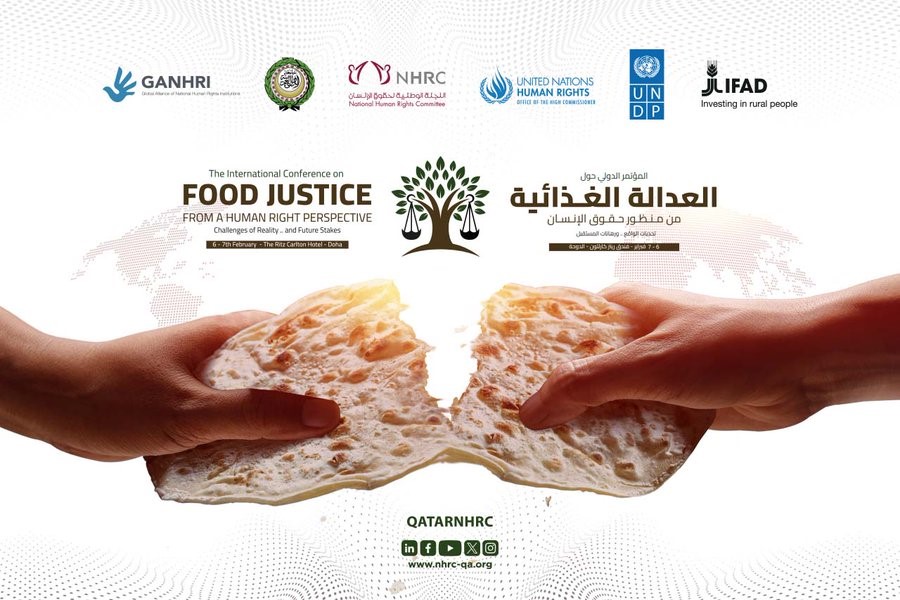 Advocate Joseph Whittal, Chairperson, NANHRI & CHRAJ - Ghana: Presented a working paper at the International Conference on Food Justice in Doha on Feb 6-7, 2024
 The 6th National Human Rights Institutions (NHRIs) Forum
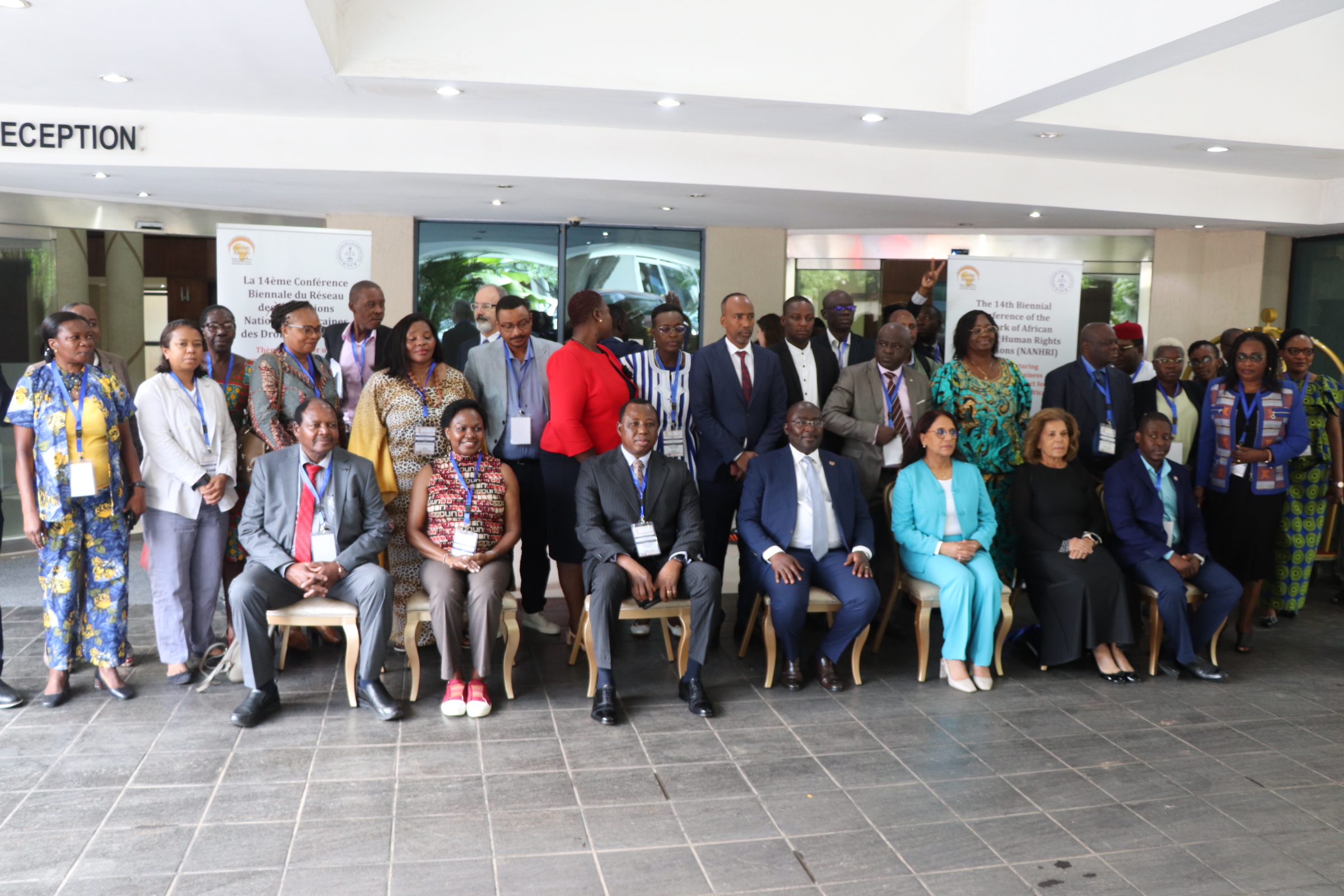 The 14th NANHRI Biennial Conference- Accra Ghana
NANHRI has been in operation since 2007. Our 46 members are drawn from NHRIs across Africa. The NANHRI Secretariat is based in Nairobi, Kenya.

To support the establishment and strengthening of Paris Principles compliant national human rights institutions that effectively discharge their mandate
Read More